Human Rights Council 59 comes at a moment of deep crisis for the global human rights ecosystem. The system meant to protect human rights is not just under attack — it is on the brink of losing its legitimacy and credibility. The lack of accountability for the ongoing genocide in Gaza and the regression of human rights norms, coupled with the liquidity crisis in the UN, have reduced spaces for activists and civil society. We join others who have expressed grave concern about the UN’s financial situation throughout the session, and we deplore that this crisis is due in part to the failure of some states to pay their contribution to the system in full and on time. Still, many of us remain in these spaces—because the cost of walking away seems too high, or because, for many national activists, this remains the only visible path to accountability.
In this context of multilateral crisis, it may be tempting to focus sexual rights commentary on the growing attempts to restrict human rights understandings so that they serve only a “respectable” few. Such attempts have included efforts to constrain the analysis of human rights and violence to strictly biological understandings of ‘sex’, at the expense of the rights of trans people and of efforts to address the root causes of gender-based violence. Ongoing initiatives to further protectionist interventions undermine the autonomy, consent and demands of people affected, such as sex workers, trans people, and other groups targeted for deviating from patriarchal norms. It is imperative for all stakeholders to live up to the principle of universality, rejecting protectionism in all its forms and fostering meaningful solidarity and partnerships that transcend our organisational silos.
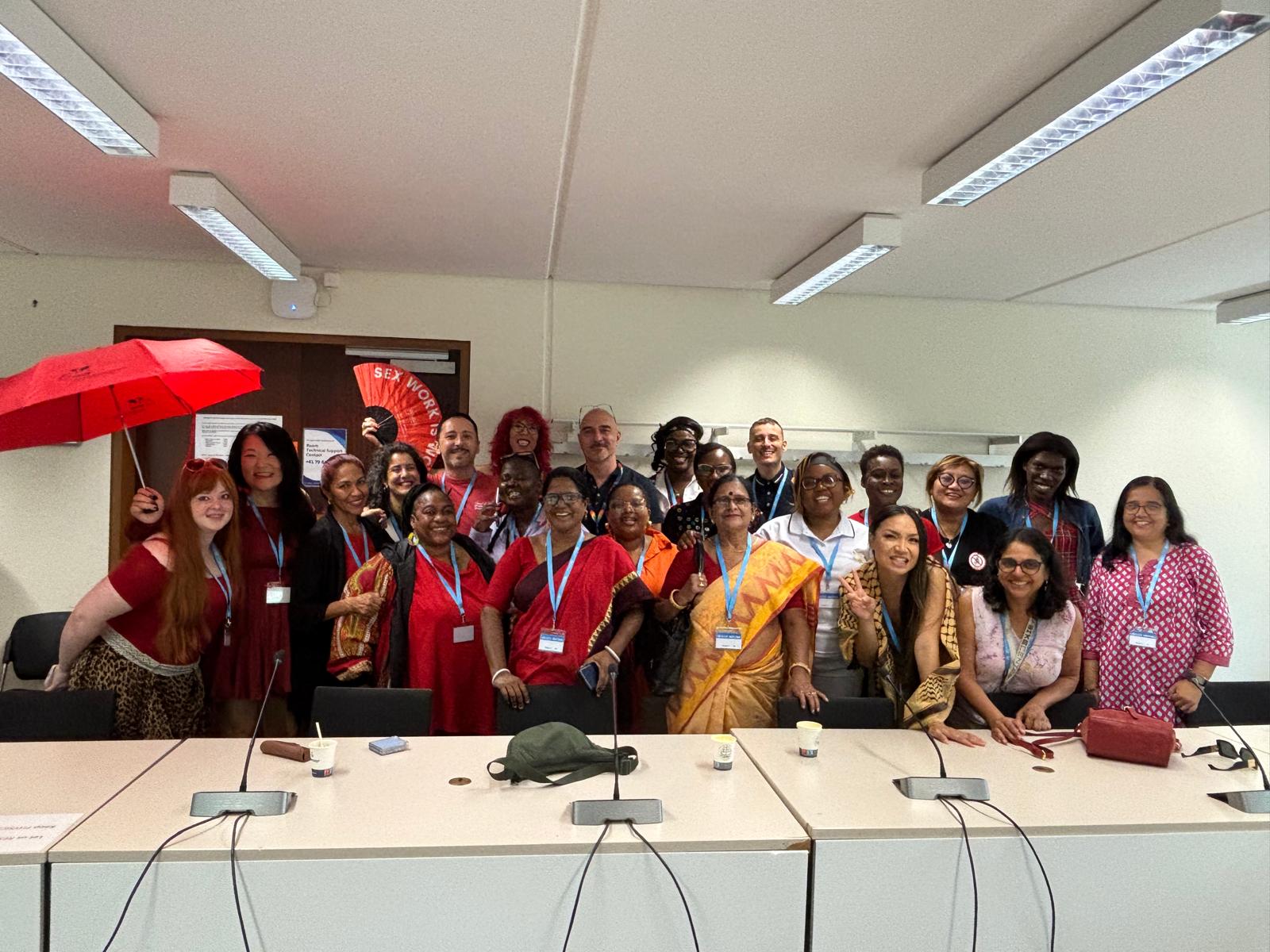
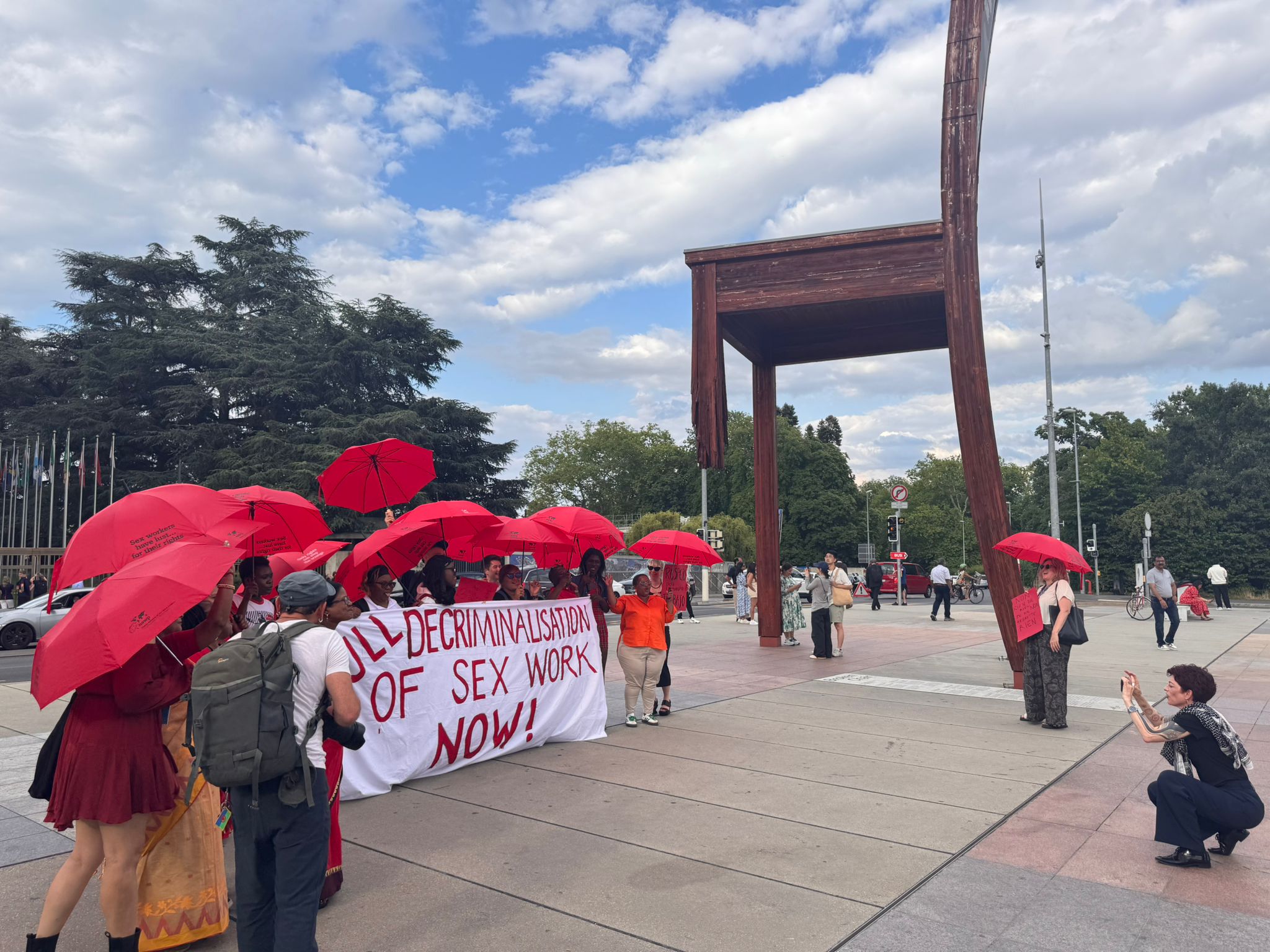
Notwithstanding this context of crisis, the 59th session of the Human Rights Council was also the site of powerful advocacy and resistance:
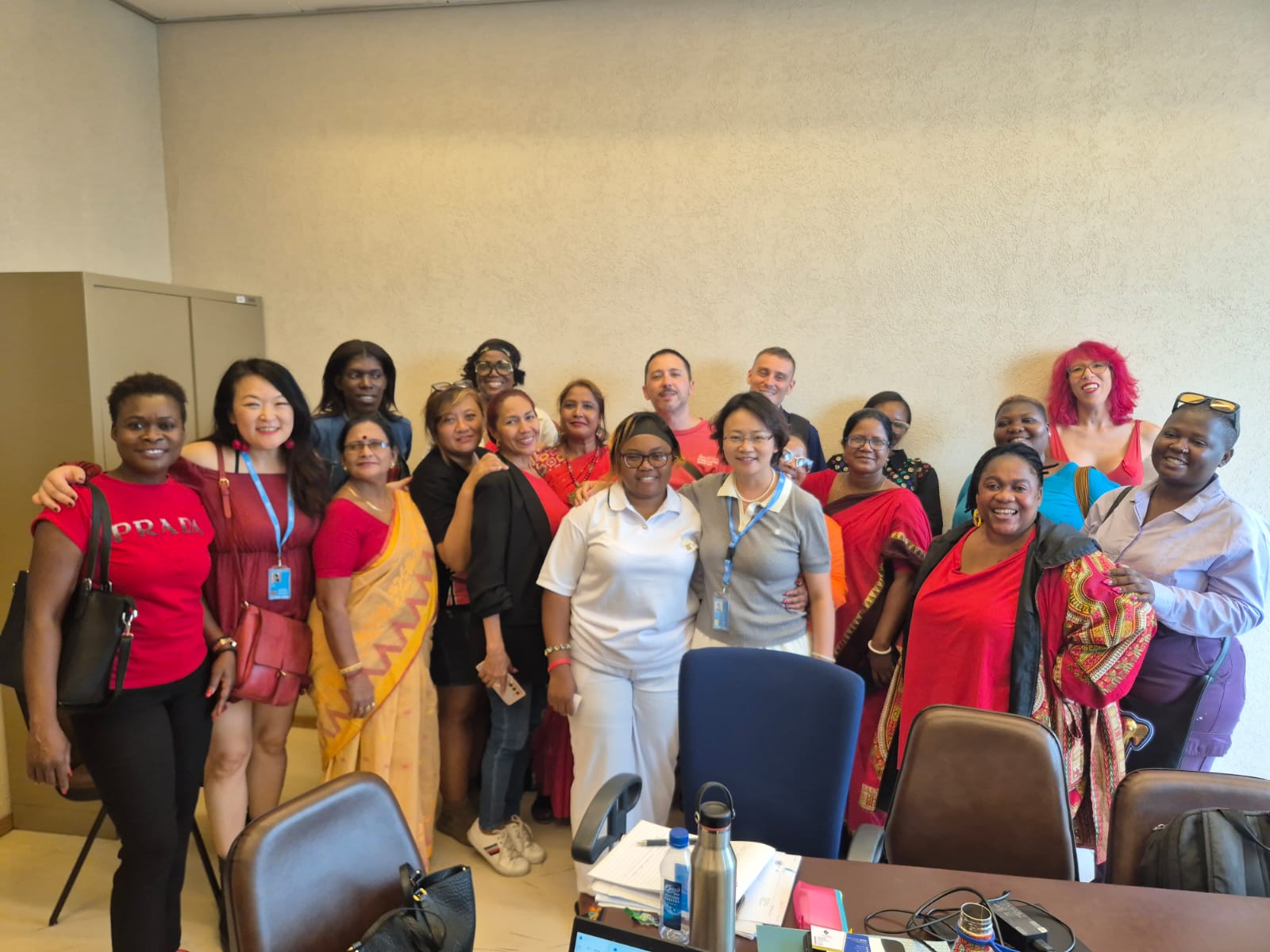
Two side events focusing on labour from a feminist perspective. The first event called attention to the harms of conflating sex work and trafficking for sex workers’ human and labour rights, as well as for victims of trafficking, and gathered sex worker and anti-trafficking activists, as well as the Special Rapporteur on trafficking. Panelists underlined the importance of decriminalizing sex work, recognising it as legitimate labour giving access to workers’ rights, and ensuring safe migration pathways and long-term residency among the key measures to improve the rights of sex workers and to tackle trafficking, in collaboration with sex worker-led groups as key stakeholders in decision-making and in the fight against trafficking.
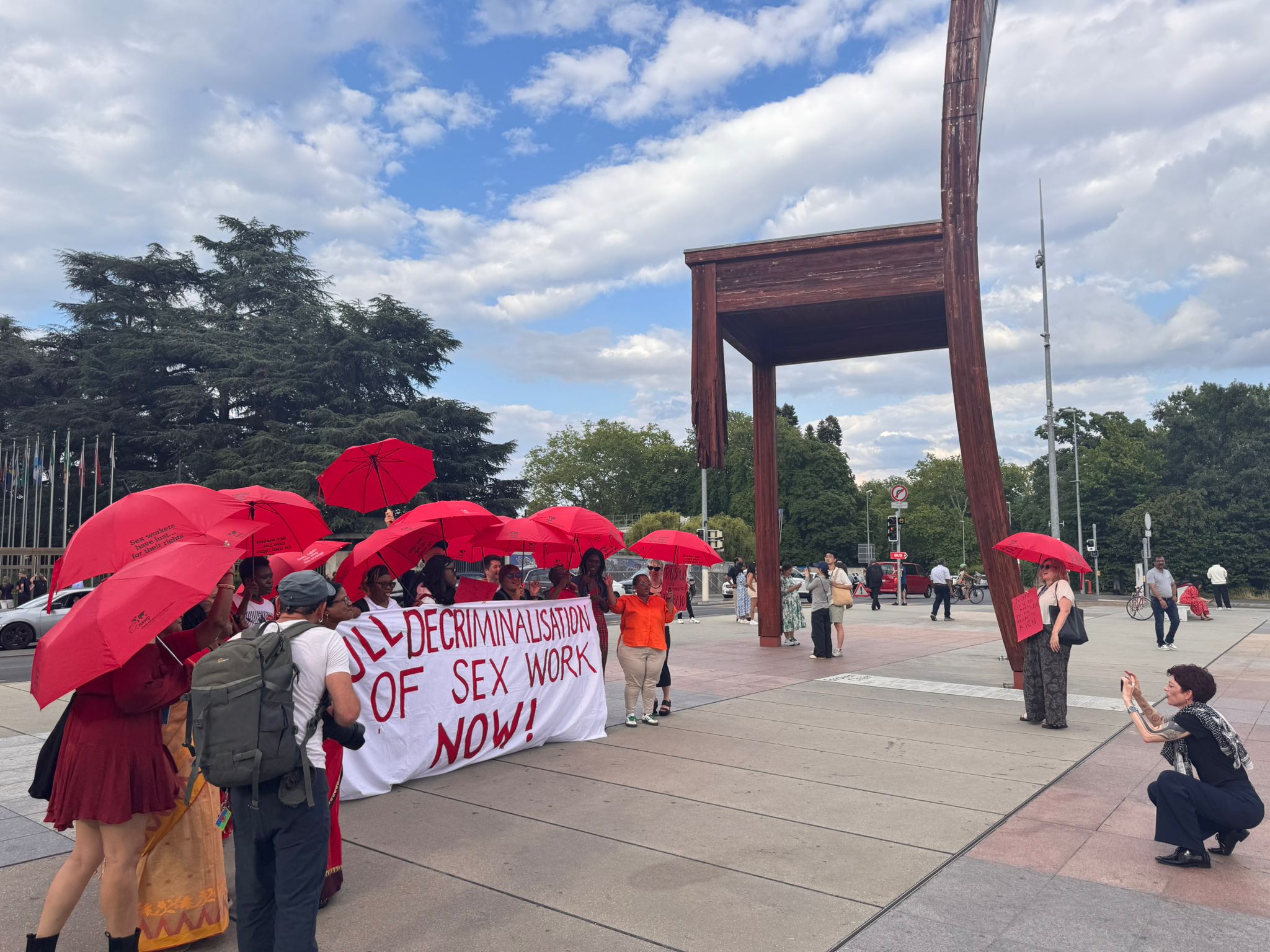
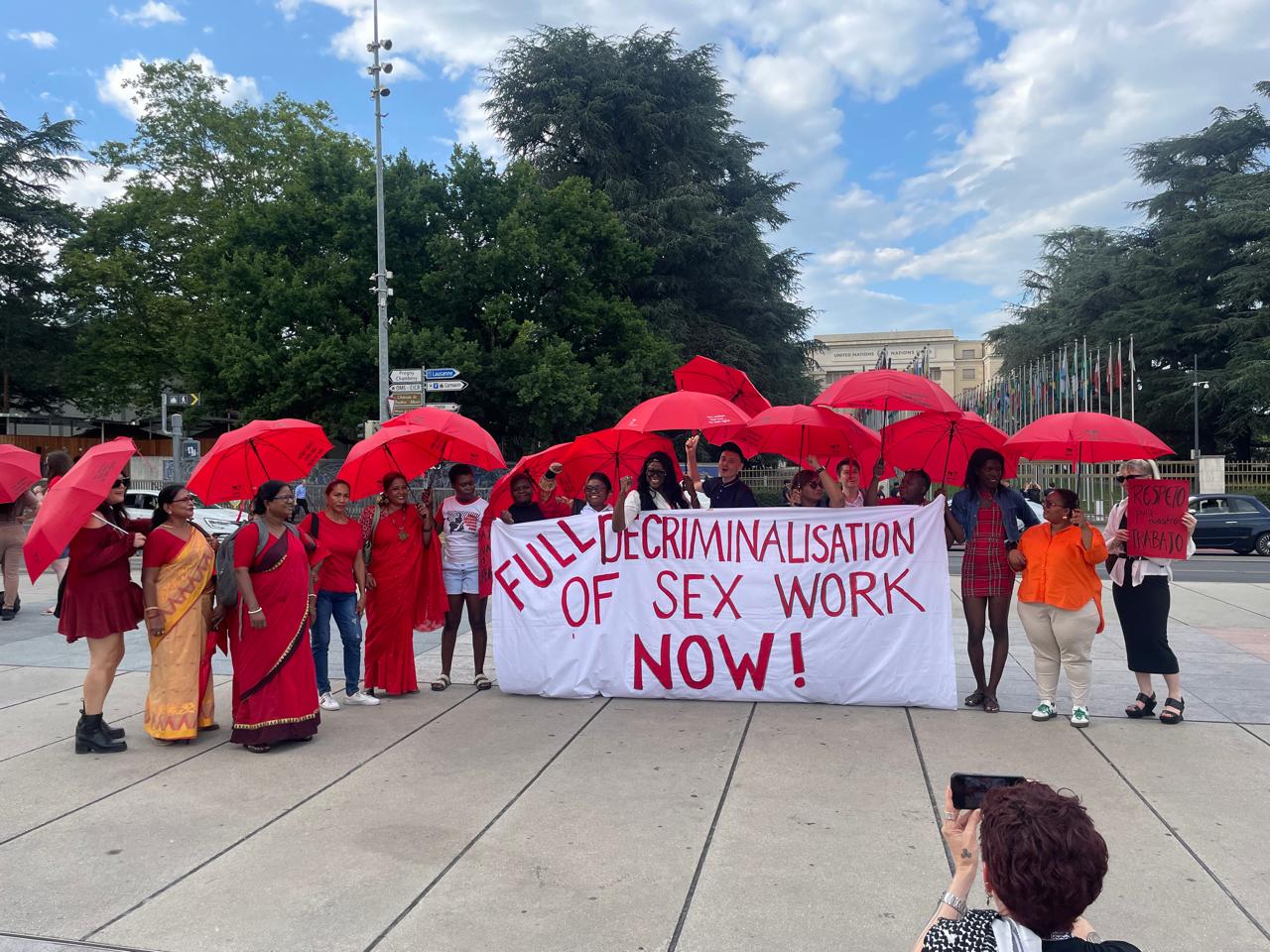
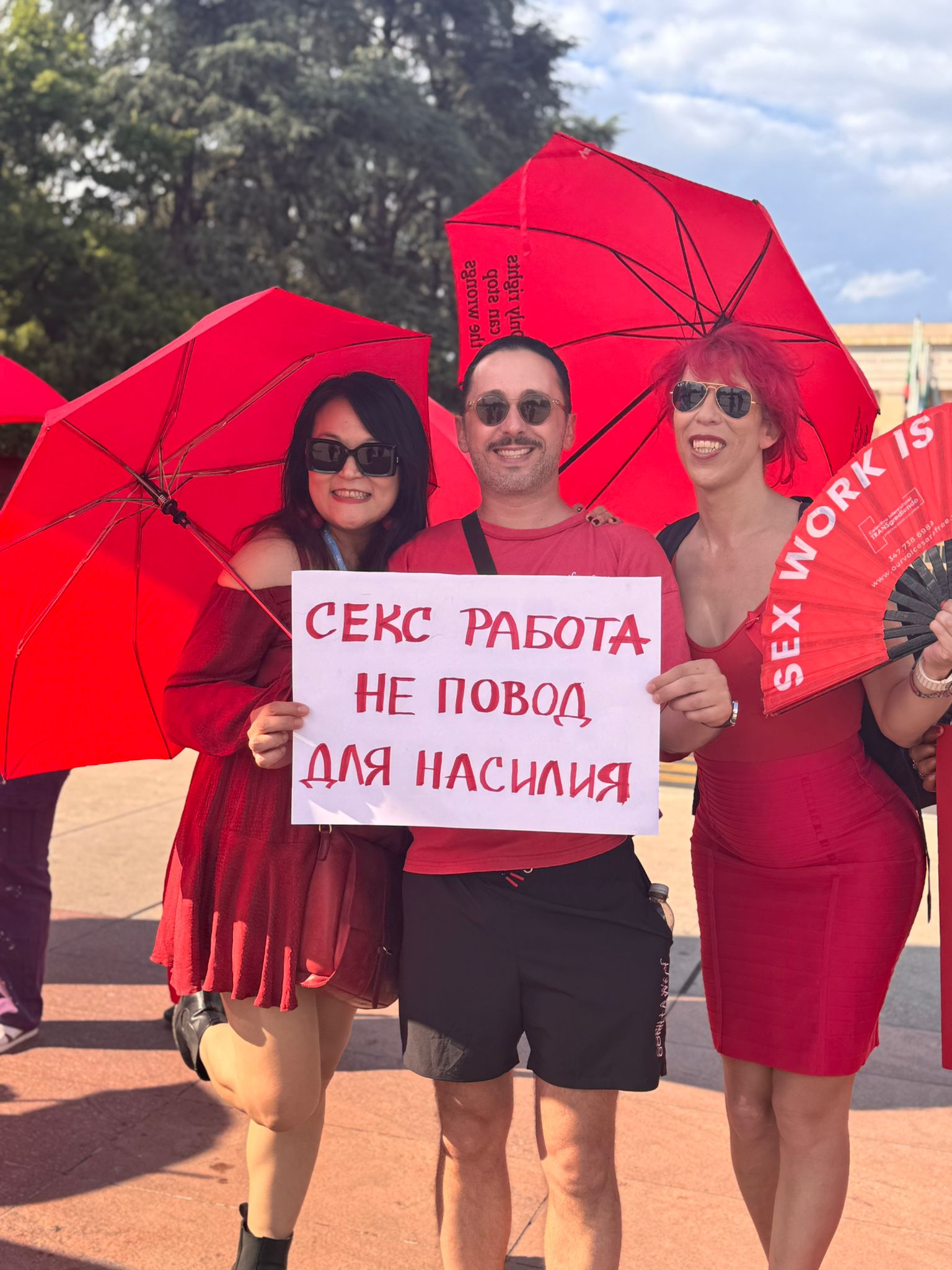
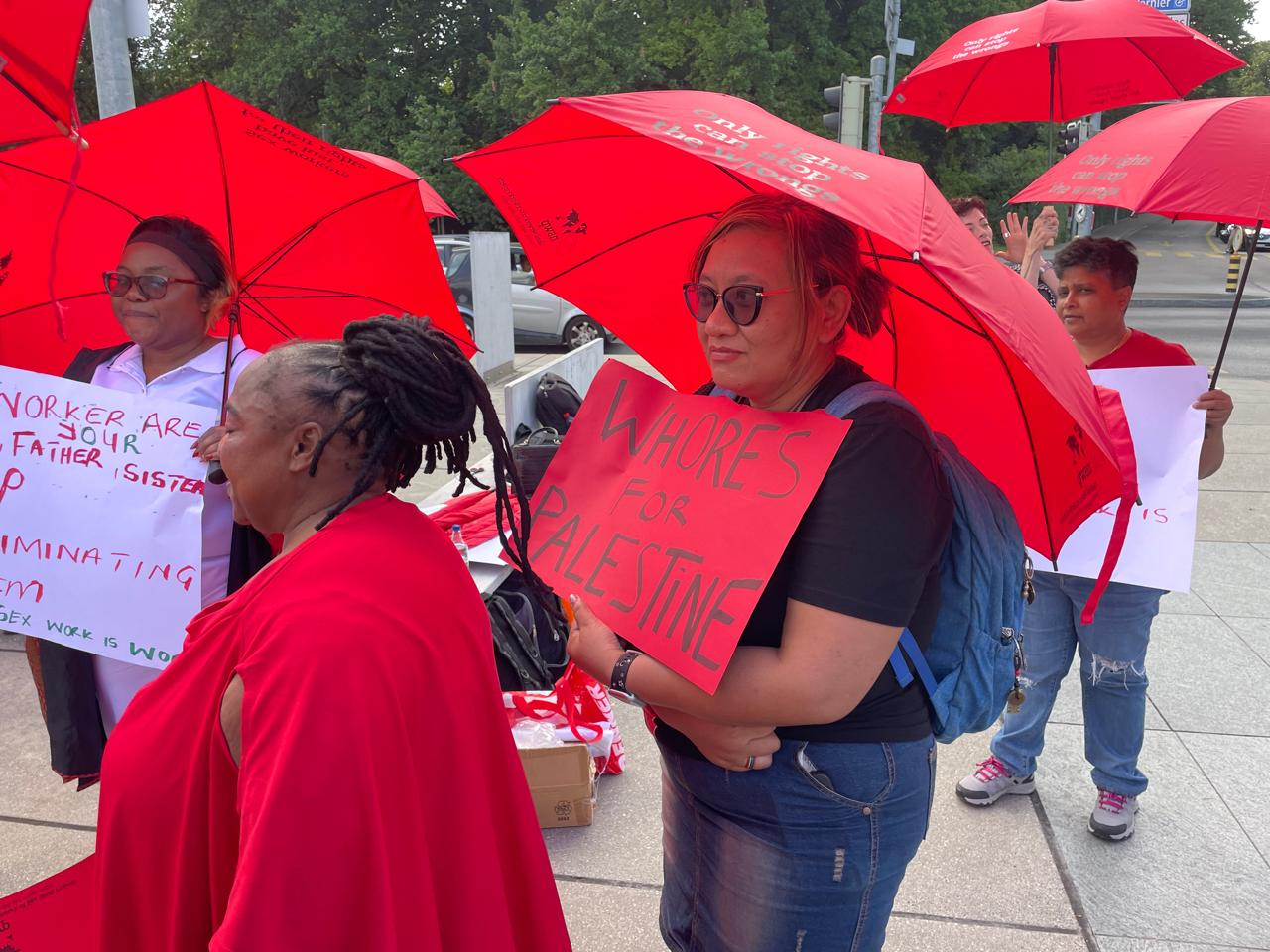
“Only Rights Can Stop the Wrongs: A Protest for Sex Worker Rights” celebrated the powerful legacy of sex worker rights activism and its hard-won victories, and called attention to the ongoing struggle to recognise the rights of sex workers.
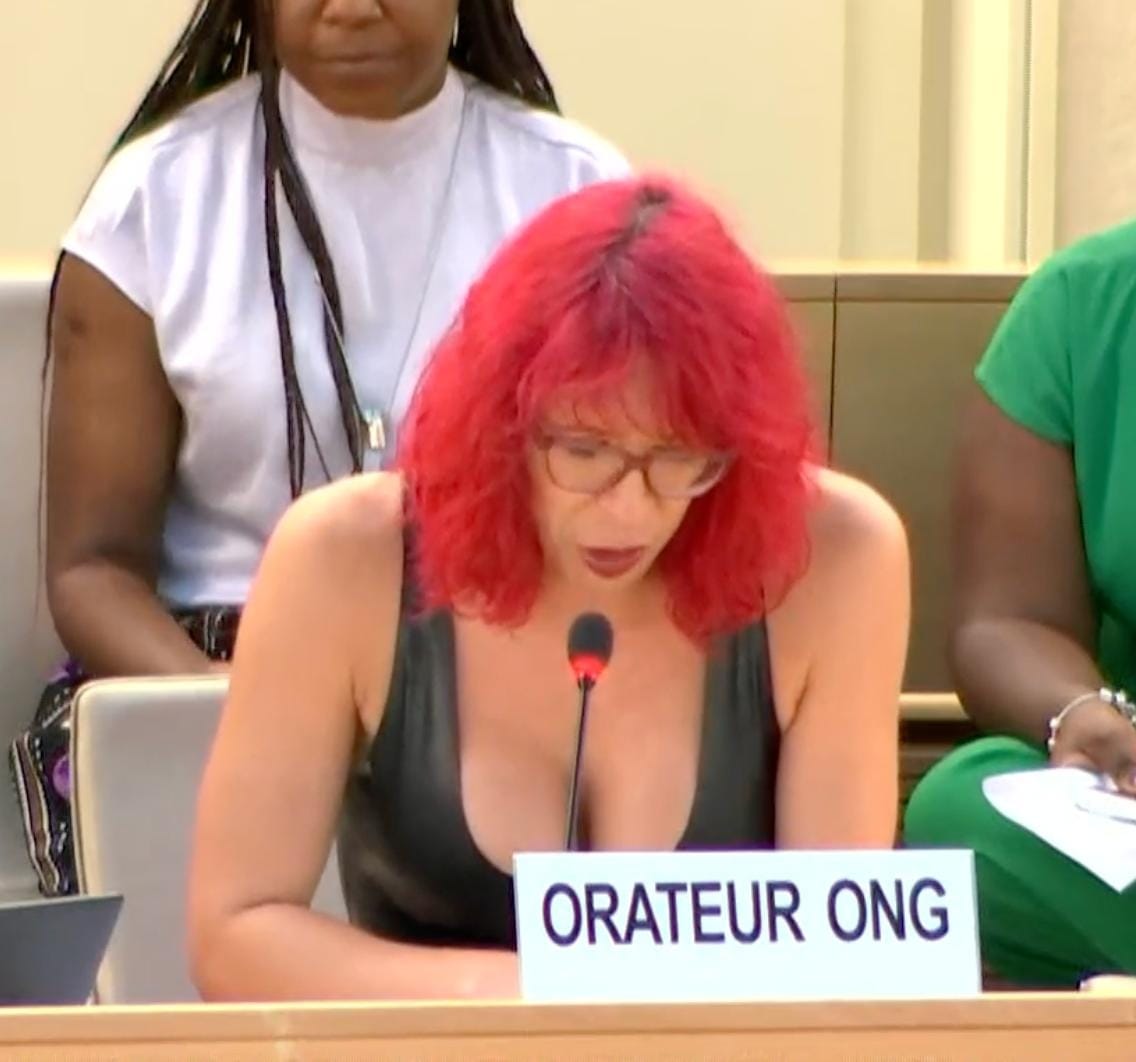
Our Executive Director, Sabrina Sanchez made an oral statement during the “interactive dialogues” highlighting the fight against femicide and gender-based violence as part of sex workers’ struggles; the harms of “protective” approaches rooted in moral frameworks, including in the context of digital technologies; the impacts on trans and gender-diverse people of analyses of violence based on ‘biological sex’ and on the denial of women’s agency, autonomy and consent; the need to prioritize sex workers among the groups affected by gender-based violence in conflict; expressing solidarity with migrant domestic workers, and calling for the recognition of both domestic work and sex work as work to ensure access to justice and labour rights, as well as prevent trafficking.
Beyond Conflation: A Rights-Based Approach to Trafficking and Sex Work
SRI Side-event at HRC 59 organised in collaboration with the Global Network of Sex Work Projects (NSWP), the Global Alliance Against Traffic in Women (GAATW) and the European Sex Workers Rights Alliance (ESWA), FIZ Fachstelle Frauenhandel und Frauenmigration, Tiyane Vavasate, and the Caribbean Alliance of Sex Workers. It was co-sponsored by Urgent Action Fund, SWAN, APC, CREA, ICJ, AWID, ILGA, IPPF, La Strada International, GATE, Women Deliver, Akahata, Just Futures Collaborative, Amnesty International, Wo=Men, Our Voices Our Future, and Action Canada for Sexual Health and Rights.
Thank you for taking the time to read this.
Your support means the world to us!